
Services
Lung Cancer
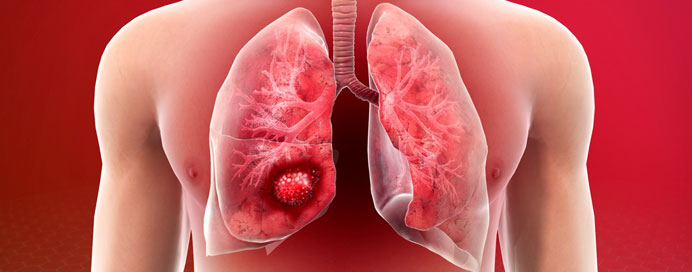
Lung cancer is a type of cancer that starts in the cells of the lungs, typically in the cells lining the air passages. It is one of the most common and deadliest forms of cancer worldwide, often associated with tobacco smoking but can also occur in non-smokers due to other factors such as exposure to secondhand smoke, radon, asbestos, or air pollution. Lung cancer can be divided into two main types: non-small cell lung cancer (NSCLC) and small cell lung cancer (SCLC), each with different characteristics and treatment approaches. Symptoms may include persistent cough, chest pain, hoarseness, coughing up blood, shortness of breath, unexplained weight loss, and fatigue. Diagnosis usually involves imaging tests, such as CT scans and PET scans, as well as biopsy to confirm the presence of cancerous cells. Treatment options depend on the type and stage of the cancer but may include surgery, chemotherapy, radiation therapy, targeted therapy, immunotherapy, or a combination of these approaches. Early detection through screening and advances in treatment have improved outcomes for some patients, but lung cancer remains a significant health challenge, underscoring the importance of smoking cessation and prevention efforts.


