
Services
ILD
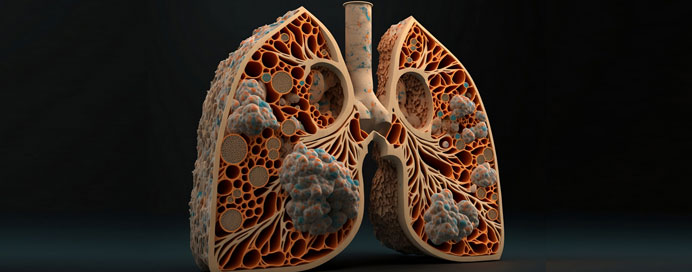
Interstitial Lung Disease (ILD) refers to a group of disorders characterized by inflammation and scarring of the lung tissue, specifically the interstitium, which is the space between the air sacs in the lungs. This scarring, also known as fibrosis, stiffens the lungs and reduces their ability to expand, leading to breathing difficulties and decreased oxygen levels in the blood. ILD encompasses a wide range of conditions with various causes, including autoimmune diseases, environmental exposures, infections, and genetic factors. Symptoms may include shortness of breath, dry cough, fatigue, and in some cases, clubbing of the fingers. Diagnosis typically involves a combination of imaging tests, pulmonary function tests, and sometimes lung biopsy. While there is no cure for ILD, treatment aims to slow the progression of the disease, alleviate symptoms, and improve quality of life through medications, pulmonary rehabilitation, oxygen therapy, and in severe cases, lung transplantation. Early detection and management are crucial in optimizing outcomes for individuals living with ILD.


