
Services
Bronchoscopy
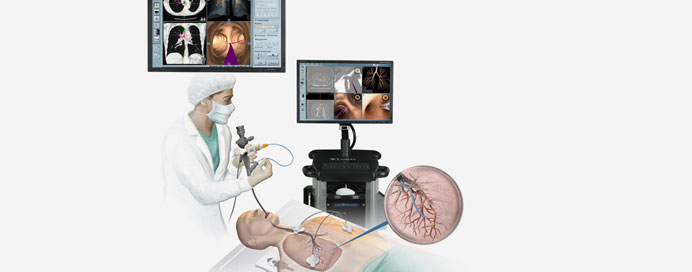
Bronchoscopy is a medical procedure used to visualize the airways and diagnose various lung conditions. During a bronchoscopy, a thin, flexible tube called a bronchoscope is inserted through the nose or mouth, down the throat, and into the lungs. This allows doctors to examine the trachea, bronchi, and bronchioles directly. Bronchoscopies can be performed for diagnostic purposes, such as to investigate chronic cough, blood in the sputum, or abnormal chest imaging findings, as well as for therapeutic interventions like removing foreign objects or taking tissue samples for biopsy. The procedure is typically performed under sedation or anesthesia to minimize discomfort for the patient. After the bronchoscopy, patients may experience mild sore throat or cough, but serious complications are rare. Overall, bronchoscopy plays a crucial role in diagnosing and treating a wide range of respiratory disorders.


